

Ateliers du FaubourgLes Ateliers du Faubourg
1, rue de Soissons, Faubourg Blanchot · Salle polyvalente n°3Mon, Thu, Fri
1, rue de Soissons, Faubourg Blanchot · Salle polyvalente n°3 · Monday, Thursday, Friday

The school · The story of the name
In 1972, Willie Colón and Héctor Lavoe recorded “Aguanilé”, inspired by Afro-Cuban chants. The school carries this name for the story it tells: salsa comes from somewhere, and we dance it with its roots.
In 1972, Willie Colón and Héctor Lavoe recorded “Aguanilé”, a salsa track inspired by Afro-Cuban chants: a ritual call, percussion that keeps turning, a voice that purifies. The school carries this name for the story it tells: salsa comes from somewhere, and we dance it with its roots.

Founder, director, teacher
Founder, director and teacher. She keeps training, in Nouméa and abroad.
Mathilda founded Aguanilé to get Nouméa dancing the way Havana dances, passing on Cuban and Afro-Cuban salsa with all the history it carries. She runs the school, teaches the classes and keeps training, in Nouméa and abroad.
“Cuban salsa isn't learned with your feet alone. You listen to it, you share it, you respect it.”
FR · EN · ES: classes can be taught in these languages.
The name
The name Aguanilé has its roots in Yoruba culture, deeply tied to Afro-Caribbean traditions and to the birth of Afro-Cuban salsa.
water
A universal symbol of purification and renewal.
home
The place where people come together.
Together, Aguanilé expresses the idea of a spiritual cleansing, a call to the Orishas, the Yoruba deities, to put an end to war and misery.

Mathilda Metanila, founder of Aguanilé NC
Water, Aguan, and the lagoon of New Caledonia.
Home, Ilé: a protective shelter, the community, and joy.
Red and yellow for energy and fire, blue for water and serenity, white for purity.
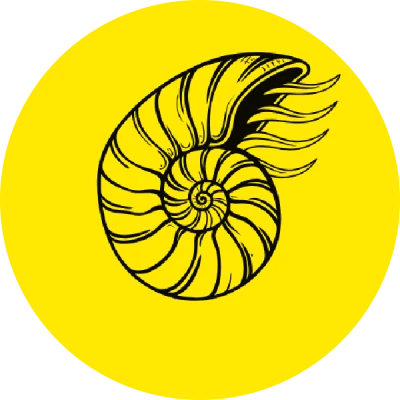
The inner beauty of nature, life and harmony. Its chambers are the stages each of us goes through in life, and its spiral speaks of creation, movement, fluidity and evolution.
Where salsa comes from.
Values
1, rue de Soissons, Faubourg Blanchot · Salle polyvalente n°3Mon, Thu, Fri
1, rue de Soissons, Faubourg Blanchot · Salle polyvalente n°3 · Monday, Thursday, Friday

8, rue Kervistin, Motor PoolWednesday
8, rue Kervistin, Motor Pool · Wednesday
Casino 1 · 1 000 F